
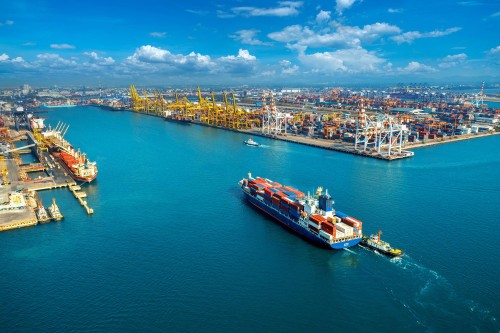
The European Union is contemplating new trade measures in response to the growing influx of Chinese imports, which has raised alarms about the EU’s increasing reliance on Chinese goods and the potential ramifications for European industries. EU commissioners are convening to assess the impact of these rising imports across various sectors, including manufacturing, agriculture, healthcare, technology, and defense. The central concern is that the influx of cheaper Chinese products might undermine local industries, potentially leading to industrial decline in certain parts of Europe.
This ongoing dialogue coincides with heightened attention to what some policymakers have termed “China Shock 2.0.” This phrase captures the swift escalation in Chinese exports, which now include a diverse array of products such as electric vehicles, industrial machinery components, medical equipment, and consumer goods. While no immediate decisions are anticipated from these discussions, the aim is to formulate a unified European approach prior to further deliberations among EU leaders.
Among the potential strategies being considered are import quotas, tariff-rate quotas, and other trade safeguards. These measures are designed to shield sectors that are experiencing intense competition from imports that are either heavily subsidized or significantly cheaper. Economic experts have emphasized the importance of the EU striking a balance between protective measures and ongoing engagement with China, given that China remains one of Europe’s largest trading allies and an essential market for many European companies.
Analysts point out that China’s economic policy continues to focus on bolstering manufacturing growth and advancing technological innovation, which could lead to increased trade tensions with major export destinations. Meanwhile, the EU is regarded as a vital market for Chinese exporters, especially in areas like electric vehicles and advanced manufacturing products. Any major trade restrictions imposed by the EU might provoke retaliatory actions from China, escalating the economic stakes for both parties involved.
These discussions underscore Europe’s broader initiative to enhance its economic resilience while navigating the intricate trade relationship it maintains with China. The EU’s efforts reflect a desire to protect its industries from external pressures without severing ties with one of its most significant trading partners.