
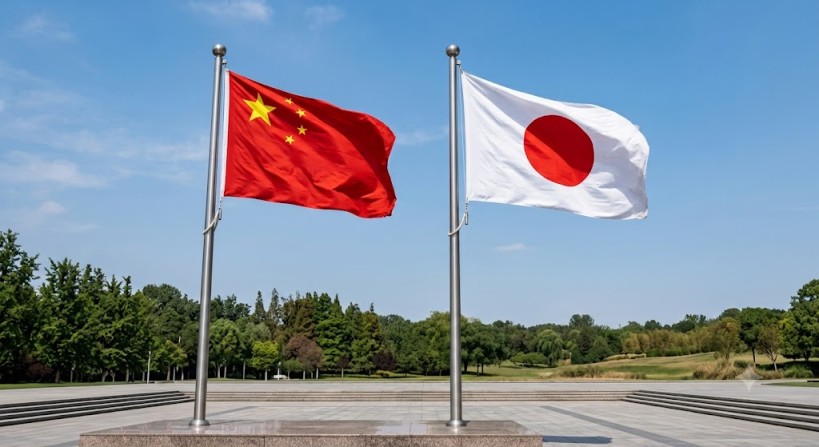
In a significant move, China has imposed new export controls affecting 40 Japanese entities, citing concerns over Japan’s enhanced military prowess and what it terms “remilitarization” efforts. This development has added to the already strained diplomatic ties between the two nations. The restrictions specifically target 20 Japanese companies and divisions, including sectors associated with major firms. These entities are now barred from receiving certain dual-use goods from Chinese and foreign exporters—items that could be deployed for both civilian and military applications.
The initiative also includes placing another 20 Japanese entities on a watch list, which mandates exporters to obtain special permissions, conduct risk evaluations, and ensure that the goods will not be used for military objectives. China’s government justified these controls by arguing that they are essential to deter Japan’s increasing military buildup. Beijing has been vocal about its disapproval of Japan’s efforts to bolster its defense, particularly with its development of long-range weaponry and enhanced security partnerships with other nations.
Japan, however, has condemned the export controls as unacceptable and has called on China to retract these measures. Japanese officials have indicated that they will assess the implications of these restrictions and consider suitable responses. The diplomatic friction between China and Japan has been escalating following Japan’s recent expansion of its defense strategy and its efforts to fortify military capabilities. China has consistently criticized Japan’s security policies, especially those related to Taiwan, a region of significant geopolitical sensitivity.
Experts suggest that while these export controls might serve more as a diplomatic signal than a comprehensive economic maneuver, they underscore the fragile state of Sino-Japanese relations amid broader regional security challenges. The ongoing tension reflects a backdrop of heightened vigilance and strategic posturing in the region, as both countries navigate complex security dynamics.