
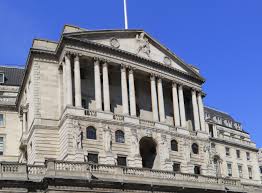
For the first time in over 15 years, the Bank of England is preparing to cut the amount of emergency capital that major banks must keep on their balance sheets. The decision has immediately sparked debate about whether the UK is risking a repeat of past mistakes. Critics are concerned that easing these protections could leave the economy exposed if another major financial shock were to occur.
Governor Andrew Bailey addressed these fears head-on, rejecting the idea that the regulator is “sowing the seeds” of the next crisis. He acknowledged that while the 2008 crash is disappearing into the “rear view mirror,” the hard-won lessons of that era remain central to the Bank’s philosophy. According to Bailey, the reduction in capital requirements is merely an adjustment based on the improved health and resilience of the UK banking system.
The timing of the announcement is notable, occurring alongside fresh warnings about new financial bubbles. The Bank highlighted the rapid rise in the value of artificial intelligence firms as a potential risk factor. With AI companies taking on massive debt to build infrastructure, a sudden market correction could have a ripple effect on the wider financial sector.
Despite these modern risks, the Bank’s data suggests that major lenders like Lloyds and NatWest are over-capitalized. The central bank argues that the current rules are “consistent with its view” that banks can support long-term growth even in adverse conditions. The upcoming changes are designed to strike a balance, maintaining safety while removing what the government has described as a “boot on the neck” of business innovation.
The new rules will not come into force until 2027, giving the sector time to adjust. Between now and then, the Bank will also be turning its attention to the private credit industry. New stress tests are being designed to assess the unregulated “shadow” lending market, ensuring that risks outside of the traditional banking system do not destabilize the economy.